Biblioteca Nazionale Centrale Vittorio Emanuele II Roma – A.R.C. 71 – Inventario Archivio Eugenio Sonnino

Nella sua forma attuale questo dossier nasce dal travaglio della pandemia Covid che tanto ha mutato il nostro mestiere di storici e le abituali modalità di confronto della nostra comunità scientifica. Il numero monografico avrebbe dovuto accogliere una serie di …
The author has written elsewhere recently about the steady growth and assimilation of an Iberian community at Rome through the course of the sixteenth century, not only of artists, but also more generally. As an example, just one important member …
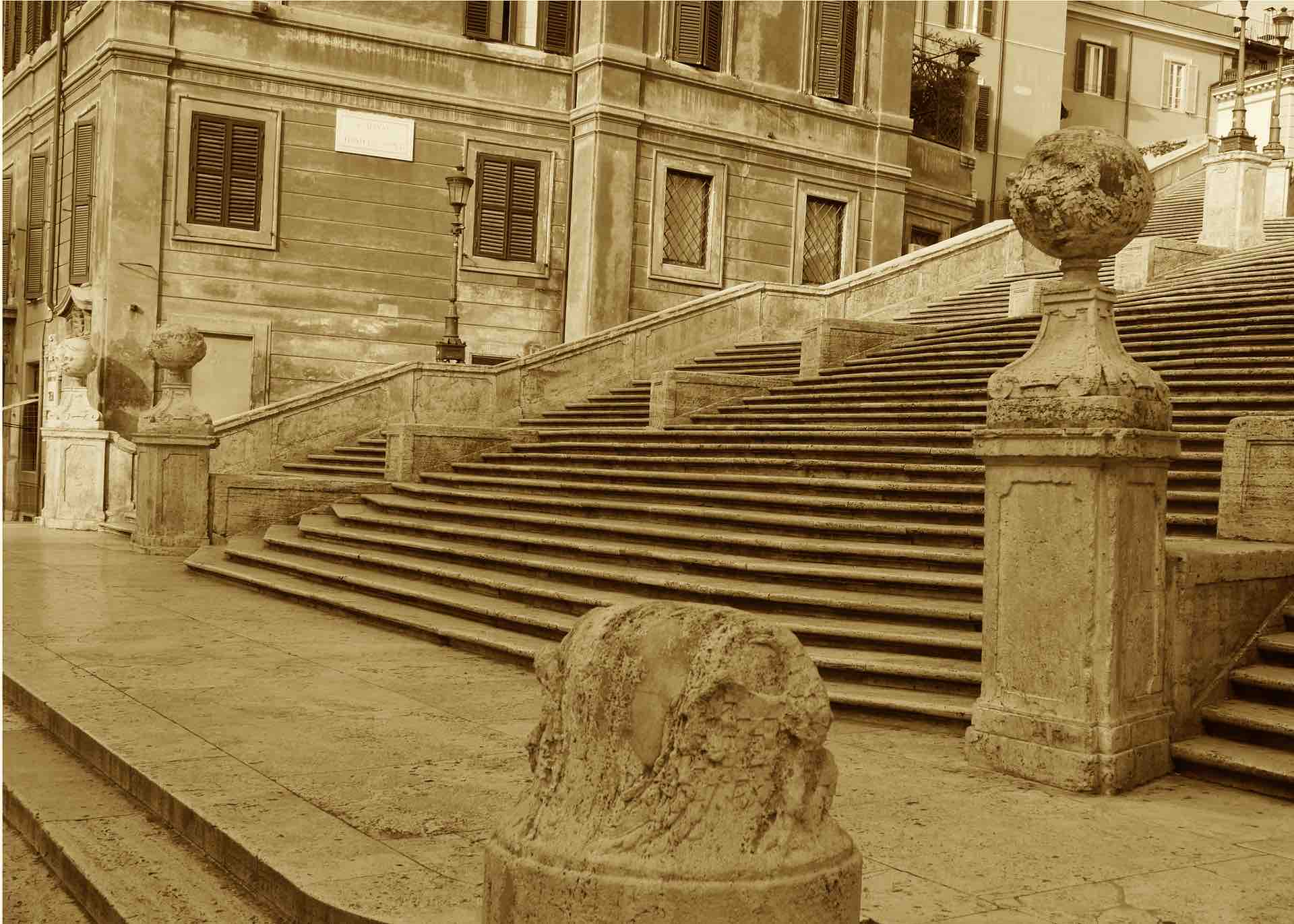
In the course of the summer of 1627, papal constables and servants of the Spanish ambassador in Rome sparred in a series of street battles that brought the neighborhood around his palace in Piazza della Trinità dei Monti to a …
I giochi di quartiere: Gambling and Diplomatic Rights of Immunity in Baroque Rome Leggi tutto »
In 1504, two Spaniards discussed whether it was worth moving to Rome in the hopes for a better life. One of them, Cristino, had lived there for some time. Embittered and skeptical, he described how difficult it was to prosper …
Nella ridefinizione dello spazio chiesastico promossa in accordo alle direttive emanate dal Concilio di Trento, l’importanza rappresentata dalle cappelle acquisisce un carattere di particolare rilievo, in forza di molteplici ragioni. Luogo fisicamente separato eppur inscritto all’interno del tempio a navata …
Il 10 febbraio 1705 muore a Roma, nella sua residenza presso via del Corso, il banchiere, mercante e uomo d’affari portoghese Antonio da Gama de Padua, lasciando la moglie Giovanna, cinque figli e un patrimonio assai cospicuo composto da immobili, …